Banarasi Silk: Your Ultimate Guide to India's Royal Wedding Fabric
Dive into the opulent world of Banarasi silk, a fabric synonymous with Indian royalty and grand celebrations. This guide unravels its fascinating history, diverse types, exquisite craftsmanship, and essential styling tips, especially for the wedding season. Discover why Banarasi remains a cherished choice for brides and connoisseurs alike.
Introduction: The Enduring Charm of Banarasi Silk
As wedding bells chime across India, one fabric consistently reigns supreme in the realm of bridal fashion and celebratory wear: Banarasi silk. Revered for its luxurious texture, intricate designs, and shimmering zari work, Banarasi silk isn't just a textile; it's a legacy woven with threads of history, culture, and unparalleled artistry. From the grandest ceremonies to the most intimate gatherings, a Banarasi garment adds an undeniable touch of regal elegance. Join us as we explore the complete journey of this magnificent fabric, from its royal origins to becoming the quintessential choice for your special occasions.
A Tapestry of History: The Royal Roots of Banarasi Silk
Tracing its origins back to the ancient city of Varanasi (Benaras), Banarasi silk weaving flourished during the Mughal era. It was under the patronage of Mughal emperors and later, local aristocracy, that this craft reached its zenith. Persian motifs like intricate floral patterns (bootis), leafy designs (bel), and jali work (net patterns) were skillfully blended with Indian aesthetics, creating a unique visual language. Weavers from Gujarat, having migrated to Benaras in the 17th century due to famine, further enriched the craft, bringing new techniques and designs. This fusion of cultures and centuries of dedicated craftsmanship birthed the Banarasi silk we adore today – a symbol of heritage and timeless beauty, perfectly suited for the grandeur of Indian weddings.
Weaving Dreams: Types and Varieties of Banarasi Silk
Banarasi silk is not a monolithic fabric; it encompasses a diverse range of silk types and intricate weaving techniques, each offering a distinct texture and aesthetic. Understanding these varieties helps in appreciating the depth of this craft and choosing the perfect piece for your momentous occasion:
- Katan: Considered the purest form of Banarasi silk, Katan is made from finely twisted pure silk threads, creating a sturdy yet luxurious fabric. Its unique texture and durability make it ideal for classic Banarasi sarees and lehengas, ensuring your wedding outfit remains pristine.
- Kora (Organza): A lighter, sheer fabric, Kora Banarasi silk is known for its crisp texture and delicate transparency. It often features intricate zari work, where the motifs appear almost suspended, offering a sophisticated and ethereal look.
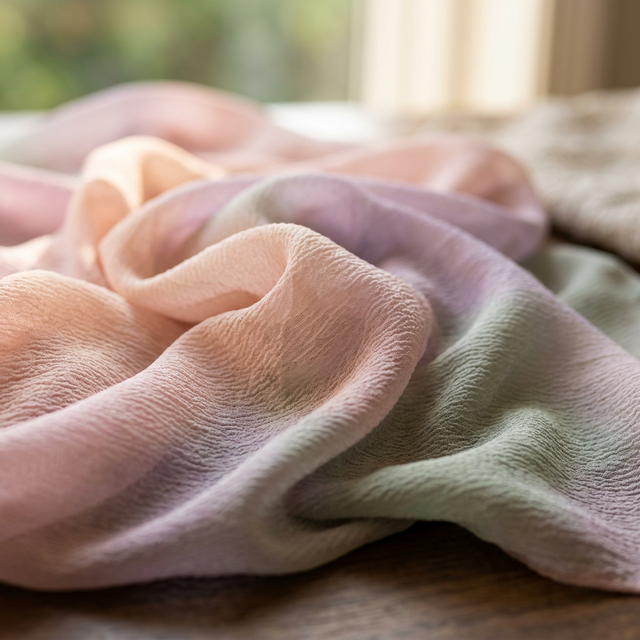
- Georgette: While typically known for its fluid drape, Banarasi georgette incorporates silk and often zari, offering a more contemporary feel without losing the traditional essence. It's a popular choice for those seeking a lighter, more flowy Banarasi.
- Shattir: A relatively more economical and durable Banarasi fabric, Shattir is often used for designing contemporary and casual Banarasi silk outfits, making the royal fabric accessible for everyday elegance.
Beyond the base fabric, the intricate designs define a Banarasi. Some popular weaving styles include:
- Jangla: Characterized by elaborate floral and bird motifs woven across the entire fabric, giving it a dense, luxurious feel.
- Tanchoi: Featuring beautiful paisley and floral motifs woven with multiple colours of silk yarn, creating a rich, brocade-like effect.
- Cutwork: A technique where floating threads are carefully cut from the back of the fabric, leaving behind a delicate, translucent pattern.
- Butidar: Distinguished by its small, distinct gold, silver, or resham (silk thread) motifs (butis) scattered across the fabric.
- Tissue: Known for its dazzling metallic sheen, achieved by weaving fine gold or silver zari threads along with silk, making it perfect for bridal wear.
The Art of Zari: Unveiling Banarasi Craftsmanship
The soul of a Banarasi silk fabric lies in its 'zari' work – the intricate weaving of gold and silver metallic threads into stunning patterns. Traditionally, real gold and silver were used, but today, highly polished copper wires with a silver coating and gold plating (tested zari) or synthetic zari are common. The creation of a single Banarasi saree is a labor of love, requiring immense skill, patience, and often a team of master weavers working for weeks, or even months, on a handloom. The design process begins with a 'nakshaband' (designer), followed by a 'rangrez' (dyer), and finally, the 'karigars' (weavers) meticulously bring the vision to life. This dedication to craft ensures that each Banarasi piece is not just an outfit but a wearable piece of art, a perfect heirloom for a wedding trousseau.
Draping Royalty: Styling and Caring for Your Banarasi Masterpiece
Banarasi silk is incredibly versatile and can be styled in myriad ways to suit various occasions, especially during the wedding peak season:
- Classic Bridal Saree: A heavy Banarasi silk saree, perhaps in Katan with elaborate zari work, remains the epitome of traditional Indian bridal wear. Pair it with traditional gold jewelry and a neatly tied bun for a timeless look.
- Lehengas and Gowns: Banarasi lehengas, dupattas, and even contemporary Banarasi silk gowns offer a regal alternative for brides and wedding guests, allowing for modern silhouettes infused with classic elegance.
- Fusion Wear: Incorporate Banarasi dupattas with plain kurtas, or style a Banarasi skirt with a contemporary top for a chic, fusion look perfect for pre-wedding functions.
- Men's Wear: Sherwanis and Nehru jackets crafted from Banarasi silk or featuring Banarasi brocade accents add a touch of sophistication to a groom's or guest's ensemble.
Caring for your Banarasi treasure is crucial to preserve its beauty:
- Dry Clean Only: Always opt for professional dry cleaning to maintain the silk's luster and integrity of the zari.
- Storage: Store your Banarasi garments in a cool, dry place, wrapped in a muslin cloth to allow it to breathe and protect it from moisture and pests. Avoid plastic covers.
- Folding: Refold your saree or garment periodically to prevent permanent creases along the fold lines, which can damage the zari.
- Avoid Direct Sunlight: Prolonged exposure to direct sunlight can fade the colors and damage the silk fibers.
Conclusion: The Timeless Allure of Banarasi Silk
Banarasi silk is more than just a fabric; it's a narrative of India's rich textile heritage, a testament to unparalleled craftsmanship, and an embodiment of enduring elegance. As wedding seasons come and go, the appeal of Banarasi remains unwavering, making it an investment piece that transcends trends. Whether you're a bride seeking her dream outfit or an admirer of fine textiles, a Banarasi silk creation promises to drape you in royalty, turning every occasion into a moment of pure magic. Embrace the legacy, cherish the artistry, and let Banarasi silk weave its charm into your most precious memories.
Transform Your Fabric into Stunning Designs
Visualize your fabric as a finished Saree, Lehenga, or Suit instantly with StitchMagic. Perfect for designers, boutiques, and fabric lovers.
Related Guides

Virtual Try-On for Clothing Stores: How to Let Customers See Themselves in Your Clothes
What is virtual try-on for clothing stores and how does it work? Complete guide for Indian clothing retailers using AI virtual fitting technology to increase online sales.

Instagram Reels for Business: How to Create Product Reels Without Video Skills
How to create Instagram product reels for your business without video editing skills. Step-by-step guide for Indian sellers — fabric, jewelry, food, and clothing businesses.
Georgette Fabric: Styling and Care Guide...
Unlock the secrets to styling and caring for georgette fabric! Our guide covers everything from washing to design ideas. Plus, see how StitchMagic, used by 3...