What Meesho actually requires
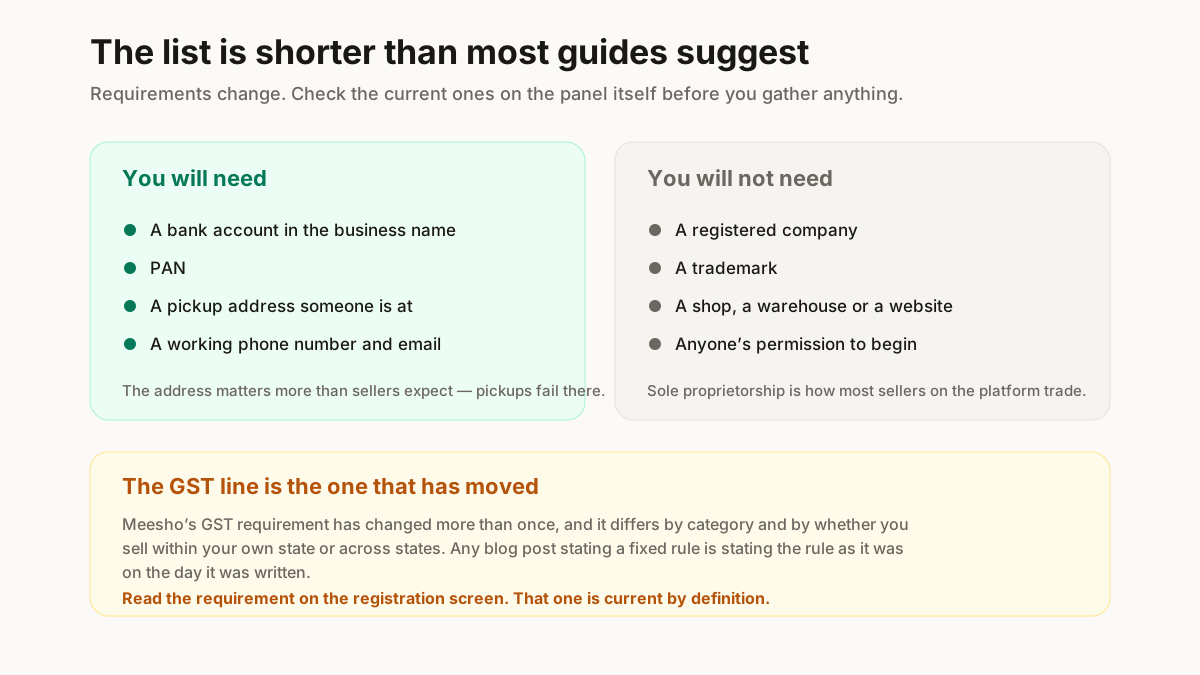
Less than most guides suggest, and the list has got shorter rather than longer.
- A mobile number. It becomes your panel login and every OTP goes to it, so use one you intend to keep. Changing it afterwards is a support ticket rather than a settings screen, and it is the single most awkward thing to fix later.
- Bank details. Where payouts land. The account should be in the same name as the registration — a proprietorship trading under a shop name with a personal account is where this most often snags.
- A pickup address. Where the courier collects. It has to be somewhere a person is actually present during the day, which sounds obvious until a first pickup fails.
- A catalogue. Products go up as a set rather than one at a time, and Meesho reviews it before it goes live.
And what it does not require
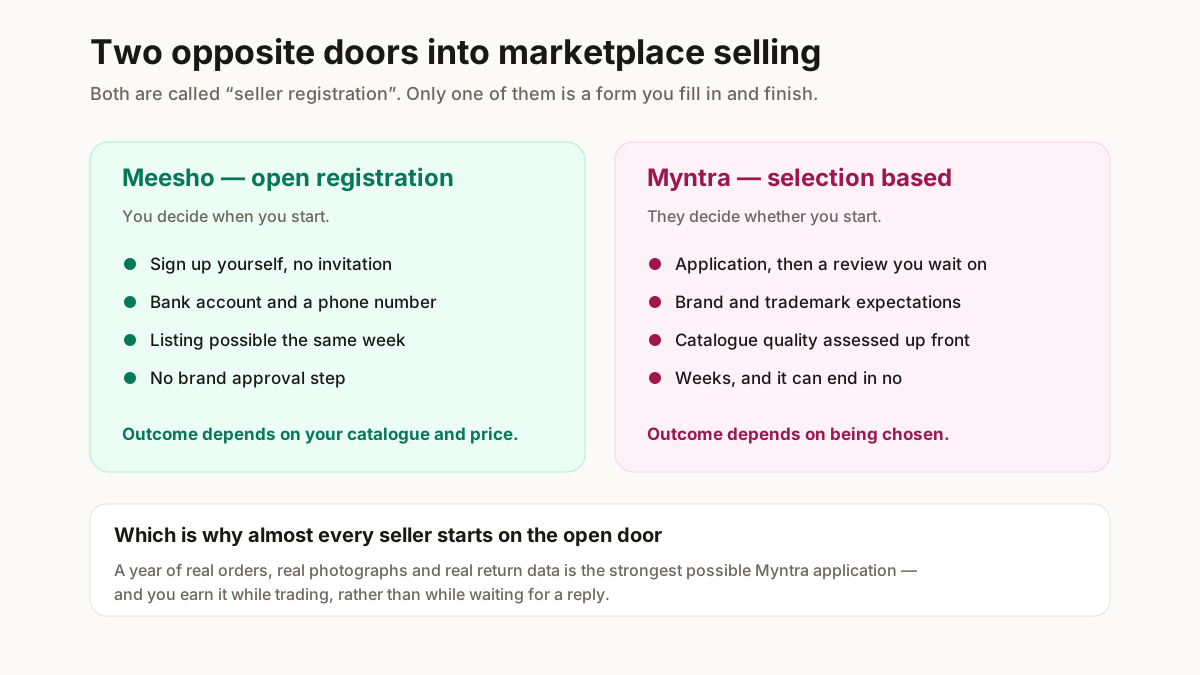
No brand. No trademark. No minimum catalogue size. No approval queue. This is the genuine difference from an approval-based platform, and it is why Meesho is where most Indian sellers start.
The GST question, which has changed
Worth being current on, because most guides are not.
Meesho now accepts suppliers without a regular GSTIN in eligible categories. Historically that was not true, and a lot of writing on the subject still says GST is mandatory.
There is a real restriction attached, and Meesho states it plainly: ads are not available to suppliers on that route. You compete on organic catalogue visibility only, which is harder but not impossible — plenty of sellers built a business before ads existed.
The honest framing: start without GST if that is what is available to you, and register once volume justifies it. What you give up meanwhile is paid visibility and the input tax credit on everything you buy. Our guide to selling without GST covers what changes.
When you do register, do it at the source rather than through an agent quoting a fee: the government portal at services.gst.gov.in runs the whole application, and registration itself carries no government charge.
What you are agreeing to
The more useful question than whether you can register, because you almost certainly can.
0% commission is real and it is the headline. Meesho does not take a cut of the sale value, which is genuinely different from every other marketplace in India.
Shipping is where the cost sits. A 0% commission on a product whose freight eats the margin is still a loss, and this is the calculation new suppliers most often skip. Run it in the Meesho calculator before pricing anything.
Returns are high. Meesho’s customer base is price-sensitive and largely COD, and the return rate reflects that. Budget for it as a cost of the channel rather than an exception.
Settlement is 7 days from delivery — not from dispatch. With shipping time on top, plan cash flow around roughly a fortnight from sale to money.
Meesho or Myntra? The doors are opposite
If you are choosing where to start, this is the comparison that matters, and it is not about which platform is better.
Meesho selects nobody. Register, upload, sell. It takes unbranded wholesale stock, which is exactly what a new reseller has. The consequence is that everyone else can too, so you compete on price and photography rather than on access.
Myntra selects almost everybody out. It is approval-based and brand-led: you need a trademark or a written brand authorisation, and a plain reseller of unbranded stock is usually declined. The consequence is that once you are in, far fewer people are competing with you.
| Meesho | Myntra | |
|---|---|---|
| Who decides | You | They do |
| Brand or trademark | Not needed | Effectively required |
| Time to first listing | Days | Weeks, and it can end in no |
| Suits unbranded wholesale stock | Yes | Usually declined |
| Who else is competing | Everyone | Far fewer |
| You win on | Price and photography | Having been let in |
So the sequence most sellers should follow is Meesho first to learn what sells, then build a label, then apply to Myntra with a year of evidence behind you. Our Myntra registration guide covers what that application assesses, and the portal itself lives at partners.myntrainfo.com — not the partners.myntra.com address most guides print, which does not resolve.