What's coming: automated daily tracking
The animation above is a preview, not a demo of something already running — every price and alert in it is invented and regenerated on a timer. It exists to show the behaviour: a board that watches on its own, and interrupts you the moment something moves, instead of you remembering to go check.
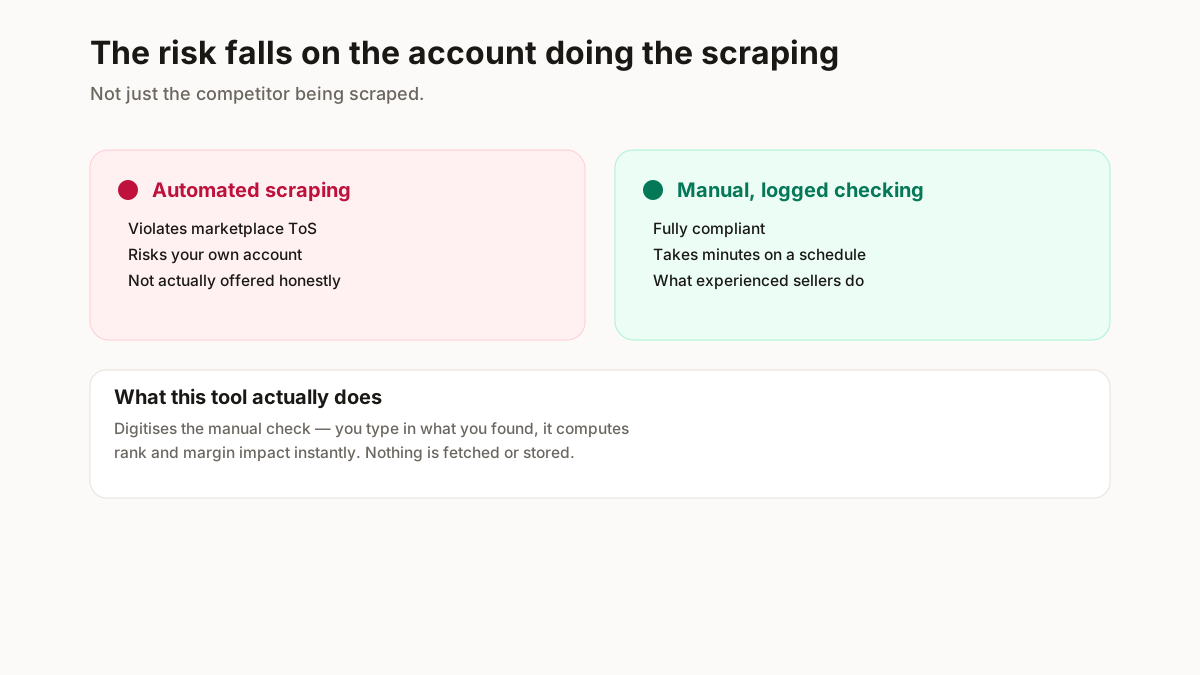
We’re building it for real: daily automated price checks on the competitors you choose, a WhatsApp alert the moment one of them undercuts you, and a price history view built from your actual tracked competitors rather than invented data. It’s in development, not live yet, and it’s being built to work within marketplace terms rather than around them — consumer price-tracker extensions like Keepa get away with scraping product pages for buyer deal alerts; a commercial tool doing the same thing for competitor intelligence is a different situation, and we’re not cutting that corner to ship faster.
Join the waitlist above with your WhatsApp number and you’ll be first in line when it’s ready.
Do it yourself today: the manual comparison calculator
Real, working, and free — no waitlist needed for this part. Enter your price and what you find checking competitors manually, and it computes your rank and the margin impact of matching the lowest one.
Where you stand
You're ₹34 above the lowest price checked. Matching it would take your margin to 45% — decide if that's still worth the volume.
Runs in your browser · nothing is uploaded · manual entry only — see below for why
How to check competitor prices manually, without wasting time on it
- Pick 3-5 real competitors, not every seller of a similar product. The ones actually competing for your buyer — similar catalogue, similar price band, similar reviews.
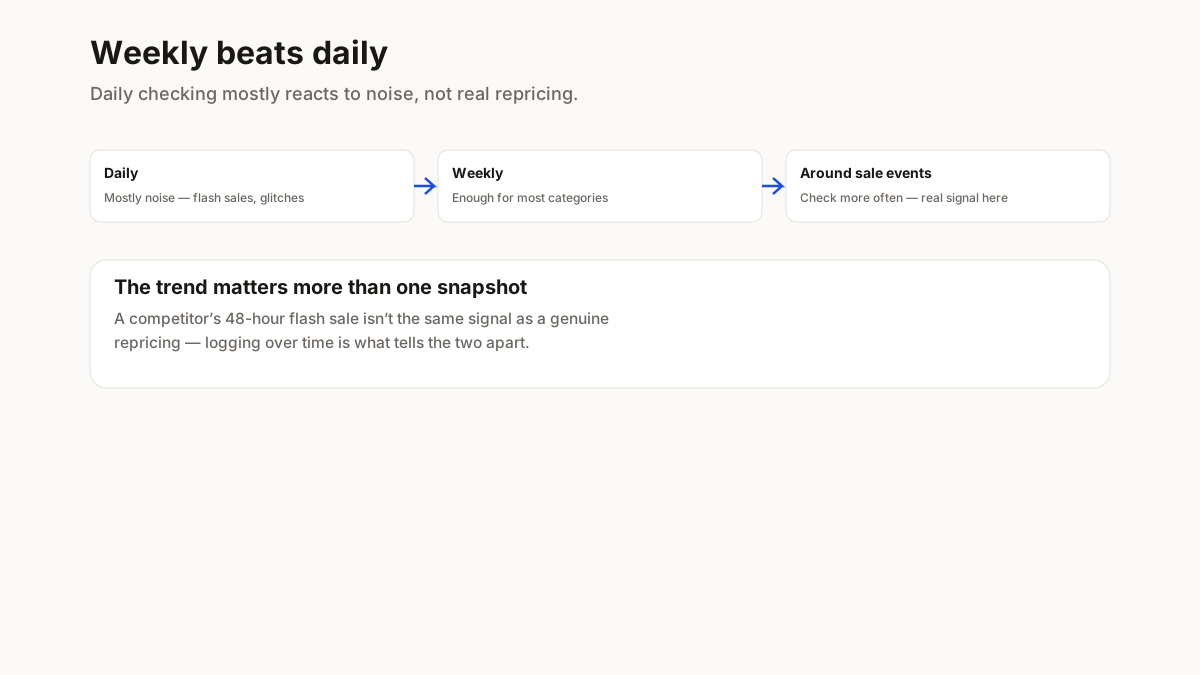
- Check on a fixed schedule — weekly is enough for most categories, more often only around a sale event. Daily checking mostly wastes time reacting to noise.
- Log the price, not just a glance — a number written down beats a memory of “they seemed cheaper.” Use the calculator above, or a spreadsheet if you prefer.
- Watch the trend, not one snapshot — a competitor dropping price for a 48-hour flash sale is not the same signal as a genuine repricing.
Want a tracking log template on WhatsApp?
A simple weekly-check template — competitor name, price, date — that works whether you use this tool or your own spreadsheet.
Your number, used to send this and occasional seller tips. Not sold on.
Reading the margin math, not just the rank
Rank alone is a weak signal — being #3 of 5 tells you nothing about whether matching #1 is worth doing. The margin-if-matched figure the calculator shows is the number that actually decides it: if matching the lowest competitor takes your margin below what covers your real costs (returns, packaging, ads), being cheaper isn’t a win, it’s a slower way to lose money.
A useful discipline: decide your floor margin before checking competitors, not after. It stops a single aggressive competitor from talking you into a price you’ll regret in a month.