Can you start a saree business from home?
Yes, and most sellers do — a saree business needs no shopfront, no staff and no large upfront commitment to start. What it needs is a place to store stock without it getting crushed or damp, decent daylight for photos, and a way to reach buyers, which for a home-based start is almost always Instagram, WhatsApp and word of mouth before any marketplace.
The realistic first month looks like: a small range, sold to people who already trust you, priced to learn rather than to maximise margin. Scaling comes after that, not instead of it.
How to start, step by step
- Pick one fabric family to start — cotton, silk, or synthetic. Spreading across all three on day one splits a small budget too thin to look like a real range in any of them.
- Source 10–15 pieces from a wholesale market or supplier you can visit or verify, not a random online lead. Our wholesale saree sourcing guide covers where to look by city.
- Shoot clean photos — a plain wall, daylight, and the saree draped or laid flat. This matters more to first sales than a logo does.
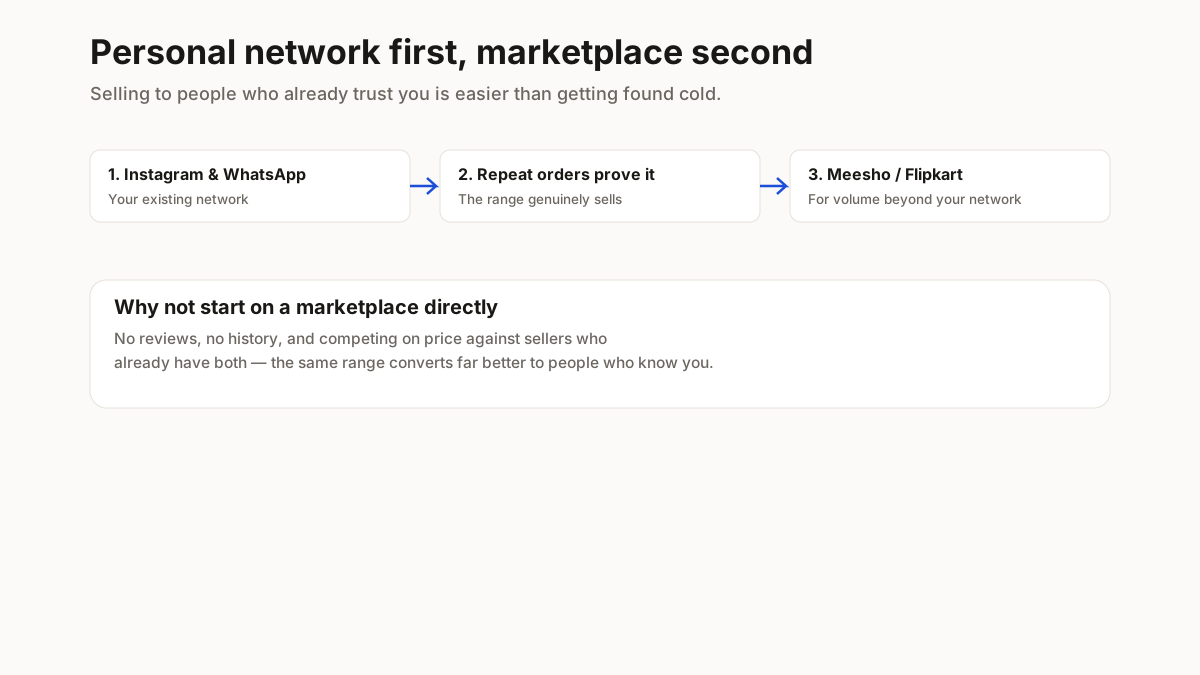
- Sell through your existing network first — Instagram and WhatsApp status, not a marketplace listing nobody has found yet.
- Register for GST once revenue is real, then move onto Meesho or Flipkart for volume beyond what your own network can absorb.
Want a starter checklist on WhatsApp?
The five steps above as a one-page checklist, plus a blank budget sheet to fill in with your own numbers.
Your number, used to send this and occasional seller tips. Not sold on.
What it actually costs to start
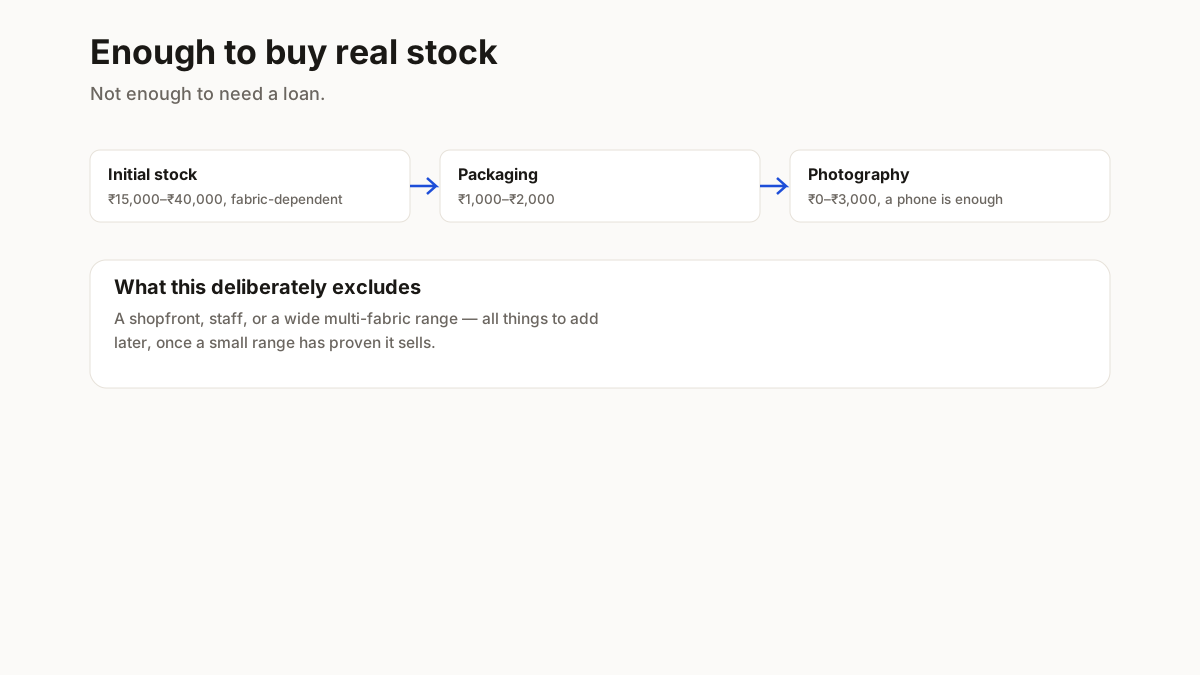
Enough to buy real stock, not enough to need a loan. The figures below are for a genuinely small first range — the point is proving the model works before spending more, not starting big.
| Cost item | Starter (10-15 sarees) | Notes |
|---|---|---|
| Initial stock | ₹15,000–₹40,000 | Wholesale, varies hugely by fabric — cotton vs. silk is the biggest swing |
| Packaging (bags, tags) | ₹1,000–₹2,000 | One-time-ish; reorder as stock grows |
| Photography | ₹0–₹3,000 | A phone and a plain backdrop covers this; skip paid shoots at this stage |
| GST registration | ₹0 (self) or ₹1,500–₹3,000 (via CA) | Not always needed on day one — see the note below |
| Marketplace/tooling | ₹0–₹500/mo | Meesho is free to list on; a catalog tool has a free tier for a small range |
Name, logo and branding — without overthinking it
A name and a simple logo matter for recognition once you are posting regularly, but they are not what decides whether the first ten sales happen — the product and the price do. Don’t let naming delay actually sourcing stock.
When you are ready, the boutique name generator gives a fast shortlist, and a name that is honest about what you sell (fabric, region, or style) tends to convert better in search and word of mouth than an abstract brand name at this stage.
Pricing and profit margin
The mistake that costs the most at this stage is pricing off gut feel. Take your cost price, add your real margin target, and check it against what similar pieces actually sell for in your area or on the platform you plan to sell on — the break-even price calculator and the Meesho commission calculator both do this math against your own numbers rather than a rule of thumb.
A rough starting range for saree resale margin sits between 25% and 45%, wider for premium or hand-worked pieces and tighter for high-volume everyday cotton — but your own cost and local market decide the real number, not a benchmark from elsewhere.